
Interior Design for Beginners
7 Steps to Create an Interior Design Colour Palette


Courtesy: https://www.jaminidesign.com/fr/
https://www.instagram.com/p/BqFbFFBAR36/
We have put together 7 simple steps for beginners to create a beautiful interior design colour palette. Taking your house to a home by adding a welcoming and pleasing to the eye space.
A thoughtfully curated, beautiful interior design colour palette can instantly swap a house into a welcoming and visually pleasing home. The bright colours in the right places can help summon up positive emotions, set the mood, and enhance the overall aesthetic appeal of any space.
However, selecting the perfect colour scheme can be an unnerving experience for many.
Follow our lead for an enjoyable ride of seven simple steps to create a stunning interior design colour palette. Whether it is a start from scratch or refurbishing an existing space, these tips and tricks will provide you with the footing needed to make stylish colour choices like a pro.
Step 1: Analyse you Space:
https://www.instagram.com/p/CljVLW7uZ82/
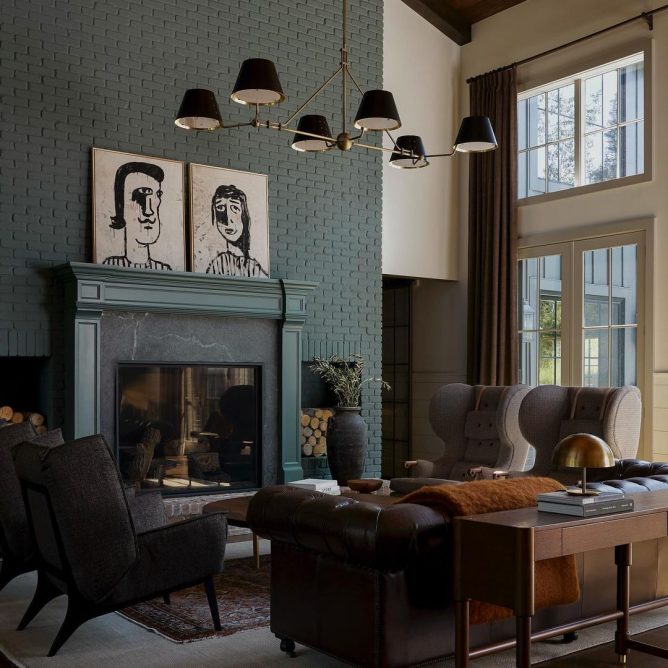
The first step toward creating a catchy colour palette is analysing your space.
And by analysing the space, we mean considering various elements. Such as the purpose, whether it is a bedroom, kids’ activity room, casual lounge, or office. The desired mood or atmosphere you aspire to, like formal or laid back, energetic or calming?
The existing architectural elements, such as a double-height ceiling, fireplace, and materials like bricks and beams. And finally, the size and natural lighting of the room are other key elements to consider before pondering upon any colour scheme.
- Tip: Different colours evoke different emotions and set the tone, from vibrant to calming, fun to mature vibes.
Step 2: Get Inspired:
https://i.pinimg.com/originals/43/70/88/4370885cad9fa1db77f535d3cb1ff913.jpg

https://i.pinimg.com/originals/b1/91/25/b19125d9547a108fe2dad26e5cbf60f7.jpg

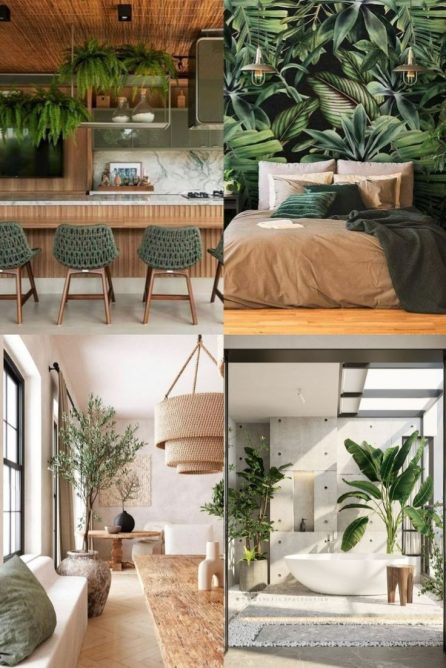
The second and most fun step of creating your colour palette is finding inspiration.
The inspiration for interior design colour schemes can come from various sources and one of the brilliant sources is nature. Nature provides a diverse myriad of colour combinations that can translate well into interior design. From calming hues of beaches to the vibrance of lush forests, pretty hues of floral gardens to earthy tones of countryside landscapes.
Other brilliant sources of inspiration can be your favourited artworks, heirloom textiles, aspirations from travels, and various cultures and unique armchairs.
- Tip: Try to create a harmonizing colour palette for the entire house, yet keep in mind the requirements of individual rooms.
Step 3: Follow a Décor Theme:
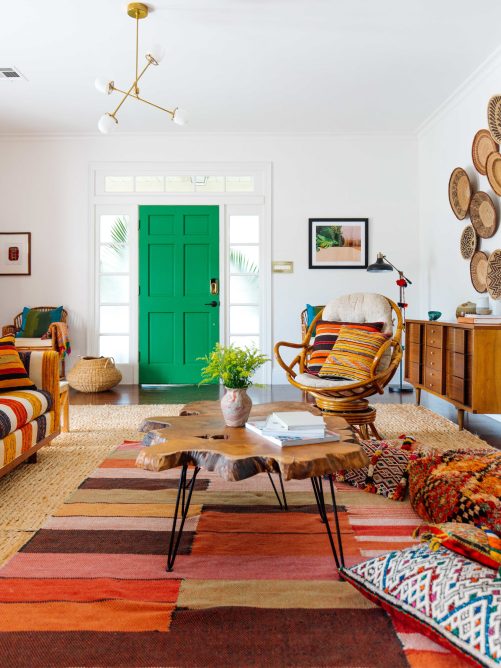
Image Courtesy: https://www.oldbrandnew.com/
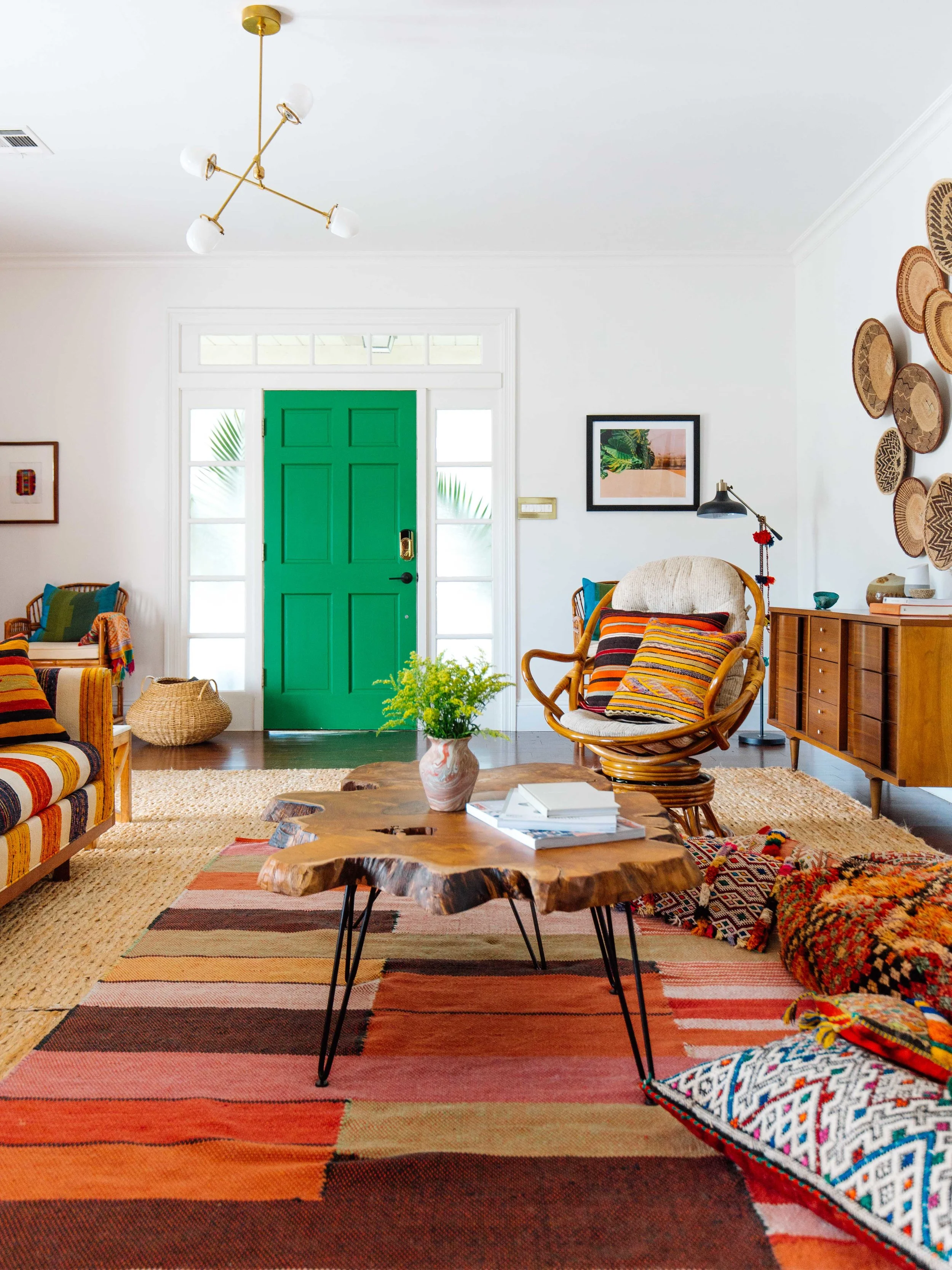
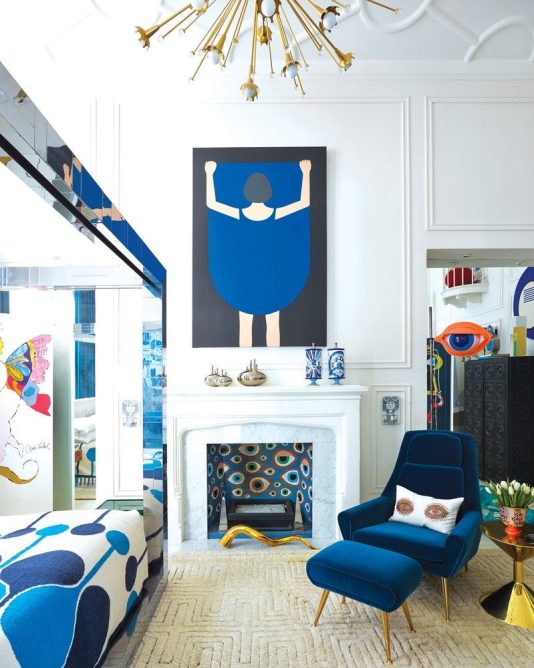
Creating a colour palette while following a specific decor theme can create a cohesive and visually appealing atmosphere. Adhering to your source of inspiration, find the perfect decor theme for your space, and here are a few choices to help you.
Say your inspiration is coming from the beachy calmness; consider the coastal decor theme incorporating blues, whites, and neutrals. For an art gallery-inspired place, opt for the Scandinavian style, which focuses on light colours, like white walls and pops of pastel colours with artwork.
Speaking of your love for indoor plants, Bohemian is your style. Combine patterns, textures, and vibrant colours in layers, and place lots of plants to add splashes of green and create a relaxed and artsy atmosphere.
- Tip: You can combine multiple design themes for a personalized touch, like coastal with the minimalist approach.
Step 4: Create a Mood Board:
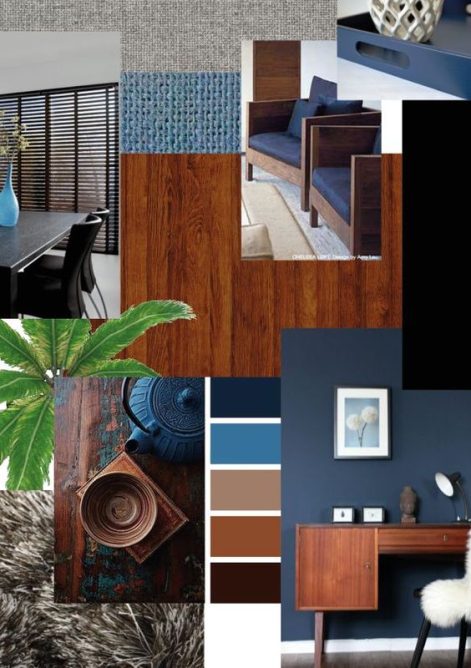
Image Courtesy: https://www.pinterest.it/pin/18647785948452746/
https://i.pinimg.com/564x/ad/99/63/ad996369af63f6f2ef970eb2060d7189.jpg

Undeniably, creating a mood board for beginners or non-professionals can be a bizarre task, but creating a mood board for your interior design colour palette is a brilliant way to visualize and explore various colour combinations.
As for now, you have picked your source of inspiration and the decor theme, it’s time to put everything together to create a mood board. Collect images, magazine clippings, fabric samples you intend to use, paint swatches, or any other visual references and material samples that can help you. Arrange your materials and create a tentative colour palette.
- Tip: We suggest creating multiple mood boards with varying colour palettes.
Step 5: Neutral, Bold, and Accent:
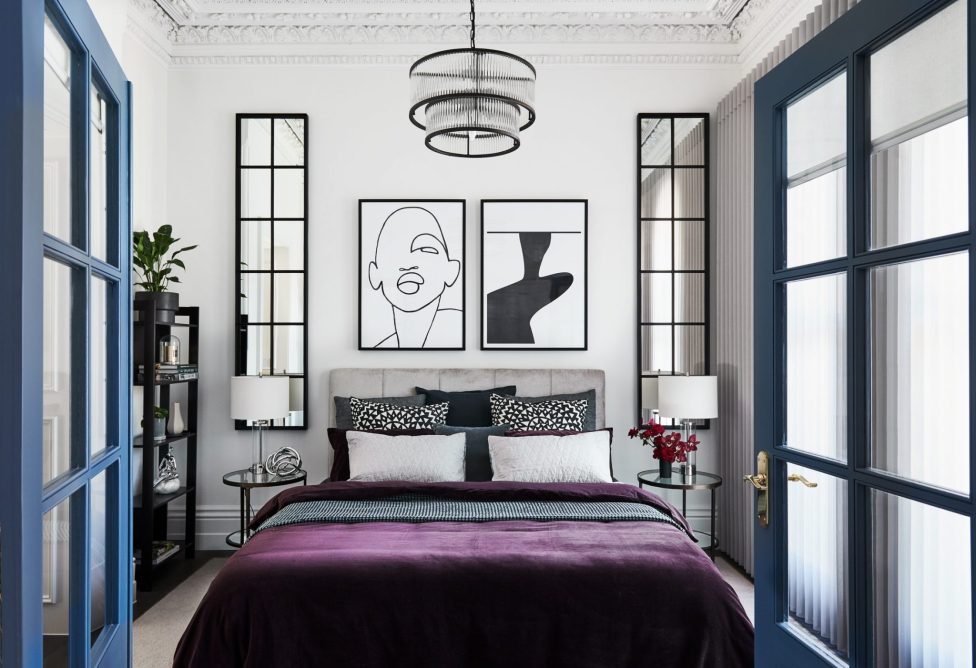
Image Courtesy: https://thedesignduo.com.au/
https://thedesignduo.com.au/wp-content/uploads/2018/11/180914_Alisa_AlbertPark_15_Doors_-1.jpg

Neutral, bold, and accent colours are essential elements in an interior design colour palette that help create a warm, zestful space.
Even though there are no cast-iron rules, just a few general guidelines to help you choose a colour palette for your space.
Lets study this elegant bedroom here. The neutral colours, which are black, white, and grey make the base, then comes bold colour to add energy and personality to the space, like mauve, and finally, a few accents to create depth and visual interest, such as the garish-blue doors.
- Tip: 60/30/10 Rule: This rule puts forward the dominant or neutral colour for 60% of the space, a secondary or bold colour for 30%, and an accent colour for the remaining 10%. It is a handy rule to achieve a balanced colour diffusion throughout the room.
Step 6: Choose the Correct Paint Finish:

https://www.instagram.com/p/CZ9LFfaIfDc/
Choosing the correct paint finish for interior design depends on numerous components, which include the desired visual aesthetics, usability of the space, required maintenance, and most importantly, lighting conditions.
Understanding of diverse types of paint finishes commonly available is another key factor. The most common and easily available types are flat-matte, eggshell, satin, semi-gloss, and high-gloss finishes. Each finish has its unique characteristics and appearance on different surfaces.
- Tip: It is advised to assess paint samples on a small portion of the wall before making a final decision.
Step 7: The Perfect Implementation:

https://www.instagram.com/p/ChkJ76EIF79/
Last but not least, creating a beautiful interior design colour palette is about selecting the right area for the right hues and the finish of the colour.
Heavy-traffic areas like hallways and children’s playrooms may benefit from more durable, easy-to-maintain finishes, vibrant colours, and high-gloss paints. Glossy finishes reflect more light, brighten the space, and energize the mood, hence ideal for activity zones.
On the other hand, living rooms and bedrooms are more focused on aesthetic values. Flat-matte finishes absorb light, offering a more subdued look, making them an optimal choice for the bedrooms, while satin, eggshell, and semi-gloss finishes can create wonders in living rooms.
- Tip: A beautiful interior design colour palette is all about creating a visual balance, do not be afraid to break a few rules, follow your instincts to achieve awe-inspiring colour schemes.
FAQs:
How do interior designers choose colour?
For interior designers, understanding a particular area and its usage is fundamental when choosing colours. Such as a bedroom serves the purpose of sleeping consequently, the colour schemes should be relaxing, while for a cooking lover, the kitchen is the hub of activity, hence requiring energetic colours.
What are the best colour combinations for the lounge?
The lounge’s colour palette tends to fall from energetic to relaxing hues. Blues and white is a classic lounge colour combination. Other neutral colours such as white, beige, and cream mixed with vibrant earthy tones like olive greens, chocolate browns, and terracotta’s are the best colour choices for the lounge.
How do I make a colour palette for my room?
Designing a bedroom colour palette depends on personal preferences; however, here are a few tips for a catchy bedroom colour scheme. Considering the size and lighting situation of the bedroom is foremost; very dark and deep colours on large surfaces can make the room look smaller and dull. Try to blend soothing and vivid colours for a peaceful night’s sleep and an energetic start to the day.